

SLOVENIA
TRIP NOTES
What to Expect
You are embarking on an adventure in a place and among people whose lives might vary from your own. Aspects of life in Europe and in the villages in Slovenia might seem unusual. Remember that these are often the same aspects that make an area an exotic and attractive destination.
While the advantages of a staycation are that you can choose how hard you want this trip to be, no trek is easy, even those rated “easy or moderate”. In addition to the personal physical challenges you may face, travel conditions can present unexpected obstacles, such as rough and bumpy roads and changeable weather conditions, especially in the mountains.
To prepare for this, “pack” a flexible and relaxed attitude. Bring a spirit of adventure and inquiry, a healthy sense of humour, and a willingness to encounter the unexpected, and you will find walking the Julian Alps the adventure of a lifetime!
Visa
Australian citizens visiting Schengen countries (of which Slovenia is part) do not need to apply for visas if staying for not more than 90 out of 180 days. HOWEVER you will need an ETIAS, please see below.
For any other nationalities please click here to be referred to the Schengen Visa Info Website.
ETIAS
ETIAS stands for European Travel Information and Authorisation System.
ETIAS will pre-screen travelers from “third countries,” which refers to citizens of countries that do not require a Schengen visa.
ETIAS is not a visa, it is a visa waiver, similar to the U.S. ESTA and Canadian eTA. Travelers currently visiting European Member countries visa-free will require an ETIAS from 2025 onwards. Passport holders of the EU single market are exempt from ETIAS.
Please click here for further information on Visa and ETIAS Requirements for your country.
Schengen Entry Requirements
You will have to present several documents at the Schengen port of entry, to be permitted to enter if you are a non-EU/Schengen country national, regardless if you are a visa-exempt or not.
The documents you need to provide when entering the Schengen Area are as follows:
- Valid Passport: Issued within the previous 10 years and valid for at least 3 months after the date you intend to leave the EU.
- Schengen Visa: If you are a national of one of the countries in need of a visa.
- Covid 19: There are currently no COVID-19 pandemic-related restrictions on entering the Schengen Zone or Switzerland.
We do however advise all of our guests to monitor and seek the official travel advisories of their government. - Please click here for latest news and to help identify the EU requirements according to your travel plans. Further, you can find the latest information on travel regulations for EU countries on the IATA website.
- EU/Schengen border officials may also ask for other information and documents such as sufficient funds, proof of accommodation, how long you intend to stay, round-trip airline ticket, the purpose of your entry, travel insurance, invitation letter, etc.
Please ensure the border officer gives you an entry stamp in your passport when you enter the Schengen area. Without a stamp, you could be fined or detained.
Please always seek up-to-date advise before your departure as entry conditions can rapidly change.
For further information please check out Schengen Visa Information, Schengen Visa News.
Departure
Please check with your airline and your returning home country or next/ final destination regarding COVID-19 and other entry requirements.
Further, you can find the latest information on travel regulations on the IATA website.
TRAVEL DOCUMENTS
Insurance
Emergency Medical Evacuation Insurance is a requirement for all guests travelling on our expeditions.
Once you have booked an expedition we suggest booking your travel insurance as soon as possible to protect your investment and other associated costs. Trip cancellation insurance will reimburse you for any non-recoverable air or land expenses should you have to cancel your trip due to personal or family illness or leave the expedition early due to other reasons.
For our Australian guests, we are offering policies from NIB Travel for adequate cover, and you can contact our office direct, via phone or email, to obtain an insurance quote from us.
For guests travelling with us from outside Australia, please check Travel Insurance options within your Country.
If you should receive an injury 12 months prior to your travel date, you must contact the Insurance Company with details to ensure you are covered for this injury whilst travelling. Should you not do this and require medical assistance for this injury whilst travelling you may not be covered by the insurance company.
In the event that an aircraft evacuation is required, No Roads Expeditions will undertake to arrange the evacuation on the condition that the expenses are reimbursed by the passenger before departing the Country.
Note: Accidents caused by the inappropriate consumption of alcohol or drugs may void your travel insurance.
For policies purchased before 1 September 2026
No Roads Expeditions Pty Ltd ABN 49087049956 is a distributor of nib Travel Services (Australia) Pty Ltd (nib), ABN 81 115 932 173, AFSL 308461 and receives a commission for nib products purchased through No Roads Expeditions Pty Ltd. No Roads Expeditions Pty Ltd cannot give advice about nib products, and any factual information provided is not intended to imply a recommendation or opinion about nib products. Before you buy, please read the Product Disclaimer Statement, Financial Services Guide and Target Market Determination available from us. If you have a complaint about a nib product, see the Product Disclosure Statement for the complaints process. This insurance is underwritten by Pacific International Insurance Pty Ltd, ABN 83 169 311 193.
For policies purchased on or after 1 September 2026
No Roads Expeditions Pty Ltd ABN 49087049956 is a distributor on behalf of AWP Australia Pty Ltd, ABN 52 097 227 177, AFSL 245631, trading as Allianz Global Assistance (AGA). nib Travel Services (Australia) Pty Ltd (nib), ABN 81 115 932 173, AFSL 308461 acts as a third party administrator on behalf of AGA, managing claims, complaints, enquiries and sales. Terms, conditions, exclusions, limits and applicable sub-limits apply. This is general advice only. Before you buy, you should consider whether the product is appropriate for you, the Product Disclosure Statement (PDS), Financial Services Guide (FSG) and Target Market Determination (TMD) available from us. This insurance is underwritten by Pacific International Insurance Pty Ltd, ABN 83 169 311 193, AFSL 523921.
Get a Quote
While we don’t anticipate any uninvited medical disruptions during your trek, No Roads wants to keep your mind at ease and help you get adequate assistance and cover for your well-earned time away. It is extremely important that we ensure you’re covered during your great alpine experience.
We are able to provide you with Travel Insurance for your trip, allowing you to tick this off your ‘To-Do Lis”t as soon as possible. We strongly recommend that you take out baggage loss and accident insurance!
Already have a trusted insurance provider?
No problem at all! Our primary concern is that you have adequate cover.
Got a Pre-Existing Condition?
Simply notify us accordingly. After our team initiated your personal quote, simply call the NIB Insurance Team and they’ll complete an assessment on your behalf. In many cases, no additional premium will apply. Many common conditions are automatically covered.
Please note: Australia has a Reciprocal Health Care Agreement (RHCA) with Italy which may cover some of your medical costs in the Italian public health system. Click here for more information.
For all other nationalities please explore insurance providers in your country.
Again, if you’ve any questions, don’t hesitate to ask info@noroads.com.au.
Things to Remember with Insurance


A Credit Card/Travel Card that can be used internationally. Often, any medical centre or hospital will require payment sooner than some insurance companies will have approved payment (meaning you need to be able to pay them, then seek reimbursement from your insurer).
The international emergency contact number for your insurance company. We will initiate emergency procedures for you, however, it is a far easier process for you to coordinate matters with the insurance company directly (most things we are unable to finalise on your behalf).
Documents to keep on your person, or obtain in event of emergency:


A copy of your flight itinerary with information including – Ticket Number, Airline Reference Number (PNR), Agency Flight Reference Number (if purchased via a travel agency/3rd party as well as contact information for them)
A copy of a Medical report (if you required treatment) and keep copies of all receipts for anything that you have been required to pay.
Remember t o travel with a copy of your policy or at least your policy number and provider
Immunization
No further vaccinations are compulsory for entry to the Schengen Zone. However, you should consider MMR (Measles, Mumps and Rubella) and a combination vaccine TDaP (Tetanus, Diphtheria, and Pertussis). We recommend that you ensure your tetanus cover is up to date. Depending on the season and the area of travel you might also consider a flu vaccination and other area-specific recommended vaccinations.
Please consult your doctor on these matters.
MMR (Measles, Mumps, and Rubella) Vaccine– Over the last decade, measles outbreaks have become more common in Europe. Protect yourself with this simple immunization.
TDaP (Tetanus, Diphtheria, and Pertussis) Vaccine– Due in part to immigration patterns, some diseases like diphtheria have resurfaced in Europe.
Flu Vaccine– Europe has been hit quite hard by the flu in recent years. If you plan on traveling during a high flu time (September to April) be sure to have the vaccine before you go.
Plan ahead for getting your vaccinations (seriously, vaccinations are one thing that should NEVER be left until the last minute when TIME can truly be your enemy). Some of them require an initial shot followed by a booster, while some vaccinations should not be given together.
A Day in the Julian Alps
Our team is dedicated to breaking days up in a combination of mountain activities, refreshing halts, and free time for relaxation, paired with a bit of local history and gourmet experiences.
Time is spent exploring the lush, diverse landscape of this beautiful mountain range mostly on foot, and one day on the water, interrupted by regular stops at mountain huts for local refreshments and, of course, taking in the sights.
Mornings start fairly early with a delicious spread of homemade and local breakfast delicacies, sweet and hearty. After easing into the day at the buffet, we get ready for our daily activities, stopping for vistas and lunch along the way, and maybe a cappuccino and a slice of Prekmurska gibanica.
Returning to our comfortable staycation hub, Hotel Bohinj, late afternoons are free to enjoy the spa. Warm up in the Finnish sauna or Turkish bath, breathe easy in the salt room, book a massage, or ease your muscles in the outdoor whirlpool with the Julian Alps rising above you.
Groups are invited to catch up for a refreshing beer or Spritz on the bar terrace before we settle in for dinner featuring local delights.
Sunsets are late but marvellous, the pink evening sky contrasting against the pale rock, best watched from the terrace, by the garden fire pit or from your balcony, before resting your head and dreaming of a new day.
Whitewater Rafting
Rafting the Soča River in Slovenia is a great adventure that blends heart-pounding thrills with jaw-dropping natural beauty. Known as the “Emerald River” for its vivid green hue, the Soča winds through the stunning Julian Alps, offering pristine waters, cascading rapids, and serene pools perfect for both beginners and seasoned rafters.
Our guided trip takes you through thrilling Class II and III rapids, past rugged gorges, lush forests, and postcard-worthy mountain scenery. The river’s crystal-clear water is so pure you can see the pebbles beneath your raft. Between rapids, enjoy moments of calm to soak in the incredible surroundings or even take a refreshing dip.
The journey is only about 1.5 hours, but it gives you an opportunity to see another side of the Alps, from water level. Rafting the Soča promises an unforgettable combination of excitement and natural wonder. Don’t forget your waterproof camera—this adventure is as photogenic as it is fun!
Getting There and Away
Transfers
To offer more flexibility to our guests there are no scheduled city transfers in Ljubljana on your arrival day.
A pre-trek meeting is scheduled at 6 pm on your arrival day in Ljubljana before you head out for your group welcome dinner. Rooms are ready for check-in after 3 pm.
Welcome to Slovenia: Europe’s Best-Kept Secret
Nestled snugly in the heart of Europe—like the chocolate center of a truffle—is Slovenia. Flanked by Italy, Austria, Croatia, and Hungary, this pint-sized gem is laid-back, relatively untouristed, and brimming with natural wonders. It’s like the introvert of European destinations: quietly stunning but not shouting about it.
Here, you’ll find towering snow-capped peaks, emerald-green rivers and lakes so dazzling you’ll think someone spilled a giant bottle of food dye, rolling vineyards that seem to have been painted by a romantic, and Adriatic coastal paths just waiting to grace your Instagram feed. Slovenia is a true paradise for hikers, adventurers, and anyone who loves their scenery with a side of solitude.
Ljubljana: A Capital Delight
All adventures kick off in Ljubljana (pronounced lyoo-blee-ah-nah, if you’re brave enough to try), a city that’s as green as a kale smoothie. It’s one of Europe’s most charming capitals, with car-free streets, riverside cafés, and an old castle perched dramatically above the city. Think of it as a mix between a fairy-tale town and your favorite neighborhood hangout. It’s small enough to explore on foot but packed with enough charm to make you linger over a second (or third) coffee.
Weather
The best time to hike the Julian Alps in Slovenia is from April to mid-October, with the prime months being May, June, and September. Here’s a breakdown of what to expect during these times:
Spring (April – May)
- Crowd-Free Experience: Spring is an excellent time to visit if you want to avoid the summer crowds. The meadows start to bloom with colorful flowers, creating picturesque hiking conditions.
- Mild Temperatures: By May, temperatures become mild, making it perfect for hiking adventures, although early spring can be a bit unpredictable weather-wise.
Summer (June – August)
- Longer Days: Summer offers longer daylight hours and mostly sunny skies, ideal for extended hikes. However, be prepared for occasional summer thunderstorms.
- Vibrant Atmosphere: This is a popular time for tourists, and towns come alive with a festive atmosphere. June is particularly good for both hiking and swimming in warmer waters.
Autumn (September – October)
- Stunning Foliage: Autumn showcases vibrant reds and oranges in the foliage, providing a beautiful backdrop for hikes.
- Dry and Sunny Conditions: The weather is typically dry and sunny, with warm temperatures in September still suitable for swimming. As temperatures cool down in October, it’s a great time to enjoy the harvest season in vineyard regions.
Overall, each season offers unique experiences in the Julian Alps, but spring and autumn are particularly recommended for those seeking fewer crowds and stunning natural beauty.
Accommodation
Residing in Ljubljana in style
No Roads personally sources accommodation for their expeditions. Our aim for this trip is to provide a welcoming and luxurious home away from home, a place to relax and indulge in our daily activities.
Our hotel in Ljubljana is boutique-style, in the historical center only within walking distance to shops, bars, and restaurants.
In 2026 (and the foreseeable future) we are using the beautiful, quaint and cozy Lesar Angel Hotel in the pedestrian area of Ljubljana. If you need more nights please let us know and we can arrange this (highly recommended for after the trip)
Julian Alps Staycation Base
Hotel Bohinj is a thoughtfully redesigned boutique hotel in the village of Ribčev Laz, at the eastern tip of Lake Bohinj. The lakeshore and the old stone bridge beside the Church of St John the Baptist are a short stroll from the front door.
The design is modern alpine: clean lines, natural timber and stone, and plenty of glass to let the mountains in, with sustainability built into the details. The 69 rooms are calm and well appointed, many with balconies, while the top-floor suites add private jacuzzis and panoramic windows.
For a four-night exploration of Triglav National Park, it is an unrivalled basecamp. You are effectively sleeping on the park’s doorstep, with the Mostnica Gorge a short walk away and the Vogel cable car and Pokljuka Plateau a quick drive. After days on the trail, the hotel becomes a restorative haven: a spa with Finnish sauna, Turkish bath, salt room, massage treatments and an outdoor whirlpool, a bar and terrace for sundowners, and a restaurant serving seasonal menus built on local ingredients and traditional Bohinj dishes with a modern twist. Don’t leave without trying the Bohinj Cake, made exclusively for the hotel.
Logar Valley Base
Slovenia has soooo many incredible valleys, we couldn’t just show you one. The Logar Valley is a remote valley on the Austrian border. Our hotel, The Plesnik, is the only luxury hotel in the valley and provides us with unsurpassed views and facilities.
The vibe is sophisticated yet deeply grounded, blending modern eco-design with traditional stone and wood warmth. It’s quiet, intimate, and centered around that view—the iconic natural pool reflecting the jagged peaks of the Kamnik-Savinja Alps.
For a two-night stay, it is the ultimate trailhead. You don’t need a car; simply step out the door to hike the valley floor to Rinka Waterfall or tackle the ascent to Klemenča jama. After a day of exploring, the wellness center—with its panoramic sauna and whirlpool—offers pure restoration. It’s the perfect balance of active discovery and luxurious Alpine calm, ensuring you experience the Logar Valley’s magic without rushing.
Packing List
Equipment
Trekking Gear
Gone are the moments of rage, scrabbling through your backpack in search of something. On this trip, you should exploit the advantage of staying in “The One Place” for most of the trip. You can bring as much or as little as you like.
Suitcases are recommended for this trip, although many travelers carry their luggage in a backpack. Alternatively, a sports-type / carry-all bag with a shoulder strap would suffice.
You will also need a good day pack when out trekking to carry a jacket and personal effects such as camera, sunscreen, water, snacks, blister kit.
Travel Documents
International COVID 19 Vaccination Certificate (just in case)
Travel Insurance
Air ticket
Credit card
Spending money in Euro
Personal First Aid Kit
Your personal First Aid kit should contain Band-aids, Paracetamol, Deep Heat or other muscle liniment, Blister pads, Crepe bandage, Antibiotic cream for cuts and scratches, ‘Imodium’ tablets, Strapping tape (for knees and ankles) – optional if you might suffer from any known knee or ankle injuries, Anti-chafing cream, Pawpaw cream, Foot powder if needed, Waterless hand disinfectant, Anti-inflammatory cream, Broad-spectrum antibiotic tablets, Anti-Nausea Tablets.
We also recommend sharing a First Aid Kit if you are travelling in a group.
*If you have something you are particularly prone to, ear infections or sinus problems, bring what you need with you
Personal Items
- Comfortable daypack with a rain cover
- Waterproof bags for gear moisture protection in day pack while walking (garbage bags are fine)
- Water bottles or Camelbak system ( 2-3 liters recommended. Water is accessible from fountains and hotels along the way.
- Blister kit (see blister management), rehydration salts, and any personal medication you use
- Sunscreen, hat, and high UV sunglasses with retaining cord
Clothing
- Well worn in boots with ankle support, no sneakers on the trek – You are trekking in alpine terrain and will require shoes with a good grip especially in wet conditions.
- 3 pairs of walking socks
- 3 T-shirts (lightweight quick-drying tech fabric) or long-sleeved Trekking shirts
- 2 pairs of shorts and at least one lightweight pair of pants (for walking in – avoid wearing Jeans!)
- Sleeping gear
- Bathers
- Warm fleece, sweater, hat, gloves (cold mornings)
- Waterproof jacket & over-trousers
- Sun hat
Non-Optional For This Trip
- Walking poles (good for balance & taking the weight off your knees on descents).
Other Suggestions
- Trekking scarf (buff)
- Bathers
- Camera
- Spare batteries for camera
- Reading & writing material
- Pair of flip-flops/trainers for anything
- Knee brace or strapping tape – not essential but useful for injury
- Hand sanitiser
- Personal toiletries
- Snacks – though these can be purchased locally
- Book
- Swiss army knife or similar
- Mobile & charger
A Note On Your Boots
In the Julian Alps you will encounter alpine trek conditions that vary from well-defined treks to gravel to rocky terrain. Unless you are a very experienced trekker or trail runner we highly recommend wearing walking boots with ankle support on the trek to prevent you from any injuries.
A Note On Your Daypack
Being in high mountains you should prepare for all eventualities with the weather. High altitudes will always be cool and if clouds set in it can be cold & damp. Expect 20-30 degrees Celsius at lower altitudes and at night temperature can fall below 10 degrees Celsius, so mornings can be cold. Better be prepared than sorry. Dress like an onion and take off/put on layers as required and store your gear in your day pack when not needed.
Personal Day Gear
- Comfortable day pack with a rain cover
- Water bottle or Camelbak
- Well worn in trekking boots with ankle support
- Preferred trekking cloth – shirt, pants, socks, trekking scarf (buff), sun protection hat with cord, sunglasses with retaining cord
- Walking poles
- Trekking gloves for blister protection if you use walking poles
Recommended Contents Of Your Day Pack
- Rain cover for your pack
- Blister kit (containing dedicated blister band-aids, moleskin if required)
- Rehydration salts (Hydrolite), and any personal medication you use
- Rain gear (jacket and pants) according to the weather forecast
- Preferred snacks, fruit, and nuts, muesli bars, lollies, chocolate
- Fleece or Vest for extra warmth
- Beanie
- Camera (optional)
- Personal spending money
The Right Backpack
Your pack is a major part of your equipment and it is important that you carry a pack that is comfortable and suitable for your requirements.
Click here for more information on your day pack.
Blister Management
Walking for extended hours for multiple days may affect your feet. We have put together some helpful advice on how to care for your feet along the trek.
Last-Minute Supplies
There are a few good outdoor stores in Ljubljana where you can purchase extras such as walking poles, day packs, etc. We will give you the address on arrival.
Our Team
Guides
To ensure an authentic experience No Roads is working with a dedicated local guide. Their local knowledge helps us to discover and immerse ourselves into the natural and historical heritage of the area.
While you need to ensure to get into an adequate physical shape for the trek your qualified guide will look after all the required preparation for trekking safely in the mountains while you enjoy an unforgettable and rewarding experience.
Your guide will enhance your trip by pointing out those things you might have overlooked, naming the flowers you are admiring, talking about local cultural diversities, and spotting local wildlife along the way.
Without our dedicated, locally-based team, our efforts to deliver for you the most immersive, enjoyable, challenging, and rewarding experience quite simply, would not be possible.
Tipping
Tipping Guidelines
- Restaurants: A 10% tip is customary for good service, but check if a service charge is already included.
- Pubs: Tipping is not expected unless you receive table service.
- Taxis: Rounding up to the nearest euro is appreciated.
- Hotels: Tipping is at your discretion.
- Guides: While not expected, tips are appreciated for exceptional service.
We've Got You Covered

General Travel Advice
All No Roads staff and teams consider guest safety and wellbeing an absolute priority and always follow the travel advice and guidelines of the World Health Organisation (WHO) and Smartraveller. To further maintain the safety of our travelers, we promote good personal and hand hygiene along with adherence to safe food preparation practices.
Dietary Requirements
We are able to cater to all common special dietary requirements, however, we can not cater to vegans on this trip. Slovenia is well known for its excellent and typical cuisine. These regional diets include choices of pasta, potatoes, cheeses, cured meats, salads, and fruits. Due to this heavy gluten, cheese, and meat-based diet, the meal choices for special requirements might be limited depending on your requirements.
Please advise us prior to your departure if you have any food allergies we should be aware of.
Note: The No Roads team will do everything it can to support any allergies which might require a special diet by informing all in-country personnel and ensuring reasonable provisions are made for all meals. We do, however, suggest and encourage all affected guests to assist us by providing this information while traveling, in situations or instances where it may be required to ensure everyone has a safe and enjoyable experience.
If you do have an uncommon dietary requirement please contact our office directly.
COVID 19
Unfortunately, COVID is the “New Normal” and we all have to follow certain guidelines to ensure the safety of ourselves, our fellow guests, our team, and the local communities.
To ensure that you are adequately prepared we will provide you with further information about COVID 19 procedures on the trek in your joining instructions closer to your departure date.
Our team will do everything it can to support you in this new normality. However, in this fast-moving environment, we do suggest and encourage all guests to monitor relevant COVID 19 Information for your trip on equivalent official websites as part of your preparation process.
Physical Preparation
Fitness
Exploiting the advantage of the STAYCATION guests may join as many of the daily activities they wish. Groups can travel at their pace and leisure taking frequent breaks set in the beautiful landscape along the way. This makes this unique holiday as hard or as easy as you want it to be.
However, if you are planning to join all of the daily activities and consider the daily elevation, it is no walk in the park and one should physically prepare for it. You’ll hike for at least 5-6 hours on some of the days carrying a light day pack. Some days descents can be demanding as some of them are in rocky terrain.
If you are planning on joining this trip, you must make special efforts to get in good physical condition for the trip. The fitter you are the more enjoyable you will find this expedition.
Every participant should have a health check with a medical physician to ensure that they are in good physical health prior to embarking on their trip. No Roads is not a medical adviser and we take no legal responsibility for medical or other emergencies that may arise on the course of a trek. As the service provider and hosts, we will take all necessary steps needed to evacuate injured or ill clients on the understanding that all costs involved will be paid to us before leaving the country (see Insurance).
To prepare safely and effectively for this trek in the Julian Alps you specifically need to train for a period of at least five to six months. We suggest that during your training you should undertake frequent training walks, which you will need to progressively increase in hiking time, distance, and elevation gain.
During your walks, you need to familiarise yourself with walking with a day pack (weight of 5-7 kilos) and your walking poles.
We will share a basic training regime and training walk suggestions in Australia as part of our welcome pack to help build your trekking-specific condition.
Expedition Grading
High Heart Rate Holiday
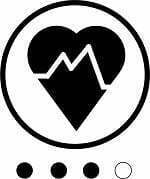
On our own expedition scale, the Julian Alps Explorer is considered a High Heart Rate Holiday. Whether you are pushing up a mountain or doing other physical activities, this expedition is primarily focused on challenging yourself physically. There are sections that will certainly get your heart rate going and other sections that are quite easy on your heart but challenging for your knees. The sweetness of this trip is a good balance of activity and relaxation. The combination of well-maintained trails, excellent accommodation, delicious food, and only carrying a day pack makes this trek the perfect active holiday. The advantage of the staycation also offers the optional additional rest day if needed.
You need to be of average to high fitness for this expedition or willing to commit to training to take part. Contact us if you are unsure of your fitness level and we talk you through how to get trek fit best.
We've Been We Know
It’s time for a confession.
It took time to get this good at what we do!
This was never through a lack of trying, but the reality is after 20 years in sending guests across the world, we’ve learned a thing or two…
Here are a few more pointers we thought would be useful before you board your flight (or flights) to Slovenia!
MONEY
Slovenia’s currency is the Euro (€). At the time of writing, AUD$1 = €0.61.
Spending Money
Budgeting varies by traveler. Consider your habits for drinks, shopping, and souvenirs, as well as meals not included in your itinerary.
Cash and ATMs
ATMs accepting Visa, Mastercard, and American Express are common in towns but rare in smaller villages. It’s wise to withdraw sufficient cash in larger towns to cover expenses between ATMs. Most restaurants and shops accept credit cards, but always carry some cash as a backup.
Money can also be exchanged at banks, post offices, and some tourist agencies, although commissions may apply.
YOUR FELLOW TREKKERS
We ask you to be understanding of the various needs and preferences of your group – patience with your fellow travellers is sometimes required for the benefit of everyone’s travel experience. Remember too that you have responsibilities to the group. If you are requested to be at a place at a certain time, ensure that you don’t keep the rest of the group waiting. We have found time and time again that the very best trips we operate are those where the dynamics within the group work well. This takes just a little effort on your part.
COMMUNICATION
Mobile coverage in Slovenia varies widely—excellent in towns and cities but often unavailable in remote areas. To avoid high global roaming charges, check with your provider or consider a prepaid SIM card. Travel SIMs are available online, or you can purchase one at airports, supermarkets, kiosks, and petrol stations.
Free Wi-Fi is available in some accommodations, but speeds can be slow, especially in rural locations. Many remote stays may not offer internet access. Slovenia’s international dialing code is +386.
Recommended apps for cost-effective communication include: WhatsApp, Skype and Viber.
ELECTRICAL OUTLETS
Slovenia uses two types of plugs: a 2-round pin plug and a 2-round pin plug with earth clips. The standard voltage is 220V.
WELCOME MEETING & SAFETY BRIEFING
More information and guidelines will be given to you prior to the start of your expedition, either at your Welcome Meeting with our Local Manager in Ljubljana or at the safety briefing with your local guide at the Hotel Bohinj. Topics discussed then will include the following subjects.
- Scheduled treks for the week
- Mountain Weather Conditions
- Equipment
- Whitewater Rafting
- Meals, and other conditions while on expedition (Lunches at local huts, etc).
- Safety procedures.
- Evacuation Procedures.
- Cultural and Environmental Considerations.
- COVID-19 Procedures on Expedition
- Other relevant information.
Note: You will be provided with a complete trip joining document with relevant contact details of hotels, guides, and more, approximately two weeks prior to the departure of your trip.
Sustainable Travel
We believe strongly in low impact or rather a positive impact from tourism. Broadly speaking, this means that we try to minimise the negative aspects of tourism on the local cultures and environments that we visit and highlight the positive aspects. Please see our online policy for more details on our social and environmental approach and commitment.
The Environment
Many of the places you will visit are pristine. As travelers, we should try to have as little impact on these natural environments as possible. As such we recommend the following:
- Please do not dispose of plastic bags and wrappers in the countryside along the way. These may be put in your backpack and disposed of at your local hotel at the end of the day.
- Follow the well-marked walking tracks and avoid walking through grassland and regrowth areas.
- Do not touch or feed any wildlife spotted on the way as you might cause severe harm to the animal.
By abiding by these simple guidelines, you will be protecting the local environment for the people who live there and for their children’s children.
Expedition Extensions
The friendly and professional No Roads Team is dedicated to ensuring your pre-and on-trip experience is as enjoyable as possible. We will be here to provide support for all aspects of your expedition!
Having handpicked all of our trips we are happy to dip into our pool of knowledge to help you with any extension bookings, adventurous or relaxing alike. Our local guides might also have some insider tips to share.
Please contact us for more information.
Simply specify your extension preferences and time period. We will then get back to you with some exciting options.
Govorim malo slovensko!
A little effort to speak like a local can be a great icebreaker (as you stumble over the few words you remember) and is always appreciated by those whose homeland you are visiting.
SOME USEFUL (AND INTERESTING) words to impress the locals along the trek
| English | Slovenian |
|---|---|
| Good morning | Dobro jutro |
| Good afternoon | Dober dan |
| Good evening | Dober večer |
| Good night | Lahko noč |
| Thank you | Hvala |
| Please | Prosim |
| Excuse me | Oprostite |
| Hi | Živijo |
| How are you? | Kako ste? |
| How are you? (informal) | Kako si? |
| Very well, thank you | Dobro, hvala |
| What is your name? | Kako vam je ime? |
| What is your name? (informal) | Kako ti je ime? |
| My name is… | Moje ime je… |
| Where are you from? | Od kje ste? |
| Where are you from? (informal) | Od kje si? |
| I am from… | Sem iz… |
| English | Slovenian |
|---|---|
| Can I get the menu, please? | Lahko dobim jedilni list, prosim? |
| I would like to order (male) | Rad bi naročil |
| I would like to order (female) | Rada bi naročila |
| What do you recommend? | Kaj priporočate? |
| Beef soup | Goveja juha |
| Salad | Solata |
| Beef steak | Goveji zrezek |
| Red wine | Rdeče vino |
| Chocolate cake | Čokoladna torta |
| Can I get more bread, please? | Lahko dobim še kruha, prosim? |
| Can I get more water, please? | Lahko dobim še vode, prosim? |
| The food is excellent! | Hrana je odlična! |
| Can I have the bill, please? | Lahko dobim račun, prosim? |
| Can I pay with card? | Ali lahko plačam s kartico? |
| Can I pay with cash? | Ali lahko plačam z gotovino? |
| Thank you very much | Hvala lepa |
| Goodbye | Nasvidenje |
| One coffee, please | Eno kavo, prosim |
| Milk coffee | Kava z mlekom |
| Black coffee | Črna kava |
| Cappuccino | Kapučino |
| Fruit tea | Sadni čaj |
| Laško beer | Laško pivo |
| Orange juice | Pomarančni sok |
| Glass of water | Kozarec vode |
| With milk | Z mlekom |
| With cream | S smetano |
| Without sugar | Brez sladkorja |
| With sugar | S sladkorjem |
| With almond milk | Z mandljevim mlekom |
| With soy milk | S sojinim mlekom |
Checklist
Please make sure you have the following items before you travel to the airport for your flight to Slovenia.
1. Luggage – On this trip, it is all up to you whether you prefer to take a suitcase, a backpack, or a duffel bag for your personal clothing and equipment
2. Day pack (backpack)
3. Valid passport.
4. Proof of Grant of your Schengen Visa if required.
5. Photocopy of the main page of your passport.
6. Photocopy of your COVID 19 Vaccination Status in addition to any proof on your mobile device.
7. Return Airfares and other travel documents.
8. Medical/travel insurance papers/certificates plus 2 copies of your policy.
9. Credit cards, cash dollars (or travellers cheques) for expenses while travelling.
10. Personal First Aid Kit
11. Personal Medication
Give Us A Shout
NO ROADS EXPEDITIONS
Office: (03) 95988581
24 hrs Access:
Irene Miller + 61 430 705 222
Peter Miller + 61 425 726 623
Email: info@noroads.com.au