

ALTA VIA 1
TRIP NOTES
What to Expect
The Alta Via 1 (AV1) is the Dolomites distilled: balcony trails across pale limestone, meadows and larch forest, and high passes that open to long, cinematic views. You’ll follow a classic hut-to-hut line from the turquoise mirror of Lago di Braies into the heart of the Sennes and Fanes groups, cresting to the terraces of Lagazuoi and the sculptural towers around Cinque Torri. Days are human‑scaled: walk, wonder, arrive. Evenings are for rifugio hospitality—hearty northern Italian cooking, mountain stories, and sunsets that paint the rock rose‑gold (the famous enrosadira).
Trails are well waymarked and non‑technical, but expect honest mountain walking: steady ascents and descents on rocky underfoot, 4–7 hours most days. Your guide handles navigation and weather calls, turning good waymarks into great days and weaving in short detours—like restored WWI galleries near Lagazuoi—when conditions and appetite align.
Travel Documents and Requirements
Visa
Australian citizens visiting Schengen countries do not need to apply for visas if staying for not more than 90 out of 180 days.
Even so, you will need to provide personal data when entering the Schengen area, collected as part of the new EES from late 2025, and apply for an ETIAS authorisation presumably from April 2027 onward. For further information, please see below.
For any other nationalities please click here to be referred to the Schengen Visa Info Website.
EES
EES stands for Entry-Exit System. EES is expected to be operational in late 2025.
The EES applies to you if you are a non-EU national travelling for a short stay to a European country using the EES and you either:
- possess a short-stay visa; or
- do not need a visa to stay for a maximum of 90 days in any 180-day period.
Your travel document data and other personal data will be collected, including your entry and exit dates, and will be registered electronically in the system. This procedure will facilitate your border crossing.
If this is your first time arriving at an EU-border crossing point since the EES implementation, you’ll be required to provide your personal information. Passport control officers will scan your fingerprints or take a photo of your face, and this data will be stored in a digital file.
Please click here for further information on the new Entry Exit System.
ETIAS
ETIAS stands for European Travel Information and Authorisation System.
ETIAS will pre-screen travelers from “third countries,” which refers to citizens of countries that do not require a Schengen visa.
ETIAS is not a visa, it is a visa waiver, similar to the U.S. ESTA and Canadian eTA. Travelers currently visiting European Member countries visa-free will require an ETIAS from probably April 2027 onward. Passport holders of the EU single market are exempt from ETIAS.
Please click here for further information on Visa and ETIAS Requirements for your country.
ETIAS AND EES
For key differences between ETIAS and EES, please click here.
Schengen Entry Requirements
You will have to present several documents at the Schengen port of entry, to be permitted to enter if you are a non-EU/Schengen country national, regardless if you are a visa-exempt or not.
The documents you need to provide when entering the Schengen Area are as follows:
- Valid Passport: Issued within the previous 10 years and valid for at least 3 months after the date you intend to leave the EU.
- Schengen Visa: If you are a national of one of the countries in need of a visa.
- Covid 19: There are currently no COVID-19 pandemic-related restrictions on entering the Schengen Zone or Switzerland.
Nevertheless, we do advise all of our guests to monitor and seek the official travel advisories of their government. - Please click here for the latest news and to help identify the EU requirements according to your travel plans. Further, you can find the latest information on travel regulations for EU countries on the IATA website.
- EU/Schengen border officials may also ask for other information and documents such as sufficient funds, proof of accommodation, how long you intend to stay, round-trip airline ticket, the purpose of your entry, travel insurance, invitation letter, etc.
Please ensure the border officer gives you an entry stamp in your passport when you enter the Schengen area. Without a stamp, you could be fined or detained.
Please always seek up-to-date advise before your departure as entry conditions can rapidly change.
For further information, please check out Schengen Visa Information and Schengen Visa News.
Departure
Please check with your airline and your returning home country or next/ final destination regarding COVID-19 and other entry requirements.
Further, you can find the latest information on travel regulations on the IATA website.
Insurance
Emergency Medical Evacuation Insurance is a requirement for all guests travelling on our expeditions.
Once you have booked an expedition we suggest booking your travel insurance as soon as possible to protect your investment and other associated costs. Trip cancellation insurance will reimburse you for any non-recoverable air or land expenses should you have to cancel your trip due to personal or family illness or leave the expedition early due to other reasons.
For our Australian guests, we are offering policies from NIB Travel for adequate cover, and you can contact our office direct, via phone or email, to obtain an insurance quote from us.
For guests travelling with us from outside Australia, please check Travel Insurance options within your Country.
If you should receive an injury 12 months prior to your travel date, you must contact the Insurance Company with details to ensure you are covered for this injury whilst travelling. Should you not do this and require medical assistance for this injury whilst travelling you may not be covered by the insurance company.
In the event that an aircraft evacuation is required, No Roads Expeditions will undertake to arrange the evacuation on the condition that the expenses are reimbursed by the passenger before departing the Country.
Note: Accidents caused by the inappropriate consumption of alcohol or drugs may void your travel insurance.
For policies purchased before 1 September 2026
No Roads Expeditions Pty Ltd ABN 49087049956 is a distributor of nib Travel Services (Australia) Pty Ltd (nib), ABN 81 115 932 173, AFSL 308461 and receives a commission for nib products purchased through No Roads Expeditions Pty Ltd. No Roads Expeditions Pty Ltd cannot give advice about nib products, and any factual information provided is not intended to imply a recommendation or opinion about nib products. Before you buy, please read the Product Disclaimer Statement, Financial Services Guide and Target Market Determination available from us. If you have a complaint about a nib product, see the Product Disclosure Statement for the complaints process. This insurance is underwritten by Pacific International Insurance Pty Ltd, ABN 83 169 311 193.
For policies purchased on or after 1 September 2026
No Roads Expeditions Pty Ltd ABN 49087049956 is a distributor on behalf of AWP Australia Pty Ltd, ABN 52 097 227 177, AFSL 245631, trading as Allianz Global Assistance (AGA). nib Travel Services (Australia) Pty Ltd (nib), ABN 81 115 932 173, AFSL 308461 acts as a third party administrator on behalf of AGA, managing claims, complaints, enquiries and sales. Terms, conditions, exclusions, limits and applicable sub-limits apply. This is general advice only. Before you buy, you should consider whether the product is appropriate for you, the Product Disclosure Statement (PDS), Financial Services Guide (FSG) and Target Market Determination (TMD) available from us. This insurance is underwritten by Pacific International Insurance Pty Ltd, ABN 83 169 311 193, AFSL 523921.
Get a Quote
While we don’t anticipate any uninvited medical disruptions during your trek, No Roads wants to keep your mind at ease and help you get adequate assistance and cover for your well-earned time away. It is extremely important that we ensure you’re covered during your great alpine experience.
We are able to provide you with Travel Insurance for your trip, allowing you to tick this off your ‘To-Do Lis”t as soon as possible. We strongly recommend that you take out baggage loss and accident insurance!
Already have a trusted insurance provider?
No problem at all! Our primary concern is that you have adequate cover.
Got a Pre-Existing Condition?
Simply notify us accordingly. After our team initiated your personal quote, simply call the NIB Insurance Team and they’ll complete an assessment on your behalf. In many cases, no additional premium will apply. Many common conditions are automatically covered.
Please note: Australia has a Reciprocal Health Care Agreement (RHCA) with Italy which may cover some of your medical costs in the Italian public health system. Click here for more information.
For all other nationalities please explore insurance providers in your country.
Again, if you’ve any questions, don’t hesitate to ask info@noroads.com.au.
Accommodation
We personally source welcoming, well‑located stays that suit the rhythm of the AV1.
Nights: Typically 5 nights in rifugi (mountain huts) and 2 nights in hotels (bookending the trek for comfort and easy logistics). Our hotel is in Cortina so you can leave items you won’t need for trek at the hotel for your return.
Rooms: Rifugi offer simple dorms or small privates depending on availability; hotels are twin/double with ensuite where possible. Room sizes and facilities vary.
Single Supplements: Limited at hotels and not available at rifugi.
Getting There And Away
Want to break up the journey?
Getting to Europe often means long-haul travel, but why not turn that into an adventure? Instead of enduring a 24- hour journey in one go, why not break it up with a mini holiday before your main trip even begins? The No Roads Team has curated a special selection of travel extensions to help you make the most of your journey, transforming layovers to unforgettable experiences.
Click here for information on our selected “The Journey is just part of the Adventure” extensions.
Getting to Cortina
Here are the most straightforward public‑transport options for reaching Cortina d’Ampezzo (which has no railway station, so the last leg is always by bus). Timetables change seasonally; always check live schedules close to travel.
From Verona (Verona Porta Nuova)
- Typical route: Verona → (Frecciarossa/Italo/Regionale) → Fortezza/Franzensfeste → Dobbiaco/Toblach (Val Pusteria/Pustertal line) → SAD bus → Cortina.
- Allow: ~5–6 hrs, 2–3 changes common (train + final bus).
- Tip: If your first leg is high‑speed, you’ll have a seat reservation; regional legs and the bus are unreserved—board any valid departure.
From Milan (Milano Centrale)
- Typical route: Milan → Verona Porta Nuova → Fortezza/Franzensfeste → Dobbiaco/Toblach → bus → Cortina.
- Allow: ~6.5–7.5 hrs, usually 3–4 changes.
- Tip: Fastest combos use Frecciarossa/Italo to Verona, then regional north to Dobbiaco, then the connecting bus.
From Innsbruck (Austria)
- Typical route (train + bus): Innsbruck Hbf → Brennero/Brenner → Fortezza/Franzensfeste → Dobbiaco/Toblach → bus → Cortina.
- Allow: ~4.5–5.5 hrs total.
- Alternative (bus): Seasonal direct buses run Innsbruck Airport/City to Cortina; check dates.
From Venice (Venezia S. Lucia / Mestre)
- Typical route (coach): Venice (Piazzale Roma/Tronchetto) → Cortina d’Ampezzo direct coach — the simplest option, no train changes. In peak season several direct departures run daily.
- Alternative (train + bus): Venice → Calalzo di Cadore (via Padova/Conegliano) → bus → Cortina (~4–5 hrs, 1–2 changes), or Venice → Fortezza/Franzensfeste → Dobbiaco → bus → Cortina.
Good to know
- Cortina itself has no train station — every route above ends with a bus (usually SAD/Dolomiti Bus) from Dobbiaco/Toblach or Calalzo di Cadore.
- Station names on the Pusteria line are bilingual: Dobbiaco/Toblach and Fortezza/Franzensfeste.
- The Venice–Cortina direct coach is often the least stressful option since it skips train transfers entirely.
- If you prefer door‑to‑door, we can arrange a private transfer from Verona, Milan, Innsbruck, or Venice (quote on request).
Port of Arrival
Our AV1 runs in the northern Dolomites. You’ll arrive in Cortina where you can relax for the afternoon and evening. The following morning your guide will brief you before a private transfer to Lago di Braies to start walking. Depending on hut availability and conditions, we end the traverse via Lagazuoi – Cinque Torri to finish around Cortina d’Ampezzo (or continue to La Stanga/Belluno per itinerary). Extra nights pre/post can be arranged on request.
Pre‑Trip Briefing: Briefing time is 9am once you arrive in Lago di Braies. Your guide will go through everything there.
Luggage Storage: Available at our hotel on arrival/finish nights (details in your final dossier).
Transfers
No Roads provides all on‑trip ground transfers specified in the itinerary, including the private shuttle to the trailhead at Lago di Braies and onward transfers as per the route’s finish.
Cortina
Cortina d’Ampezzo – offers a celebratory gelato, stylish piazzas, and a front‑row seat to some of the Dolomites’ most iconic towers.
Weather on the Alta Via 1
Mountain weather is variable and can change quickly – your guide will brief you daily. Summer in the Dolomites brings long daylight and generally stable conditions, though thunderstorms can build fast. Early/late season can be cooler with the chance of lingering snow on high passes. Pack for a range: breathable layers, a reliable waterproof shell, warm mid‑layer, hat/gloves, sun protection, and sturdy hiking boots.
The Alta Via 1 North
A Little History (and Geology)
The Dolomites are ancient coral worlds turned to stone—“fossilised atolls” whose chemistry helps create the enrosadira glow at sunrise and sunset. In the early 20th century, the front lines of World War I ran through these peaks. Around Lagazuoi and Falzarego, Italian and Austro‑Hungarian forces tunneled galleries and positions into the mountain; remnants and restored sections remain a powerful open‑air museum along the route.
Packing for Trekking
Equipment
Trekking Gear
Generally speaking, you should pack as lightly as possible and we recommend keeping the weight under 15kg.
Travel Documents
Travel Insurance
Air ticket
Credit card
Spending money in Euro and Swiss Franc
Personal First Aid kit
Your personal First Aid kit will contain Band-aids, Paracetamol, Deep Heat or other muscle liniment, Blister pads, Crepe bandages, Antibiotic cream for cuts and scratches, ‘Imodium’ tablets, Strapping tape (for knees and ankles), Anti-chafing cream, Pawpaw cream, Foot powder if needed, Waterless hand disinfectant, Anti-inflammatory cream, Broad-spectrum antibiotic tablets, Anti-Nausea Tablets.
We also recommend sharing a First Aid Kit if you are traveling in a group.
*If you have something you are particularly prone to, ear infections or sinus problems, bring what you need with you.
Personal Items
- Comfortable daypack with a rain cover
- Waterproof bags for gear moisture protection in day pack while walking (garbage bags are fine)
- Water bottles or Camelbak system ( 2-3 liters recommended. Water is accessible from fountains and hotels along the way.
- Blister kit (see blister management), rehydration salts, and any personal medication you use
- Alarm clock and LED head torch/flashlight
- Sunscreen, hat, and high UV sunglasses with retaining cord
Clothing
- Well-worn in boots with ankle support, no sneakers on the trek – You are trekking in alpine terrain and will require shoes with a good grip, especially in wet conditions.
- 3 pairs of walking socks
- 3 T-shirts (lightweight quick-drying tech fabric) or long-sleeved Trekking shirts
- 2 pairs of shorts and at least one lightweight pair of pants (for walking in – avoid wearing Jeans!)
- Sleeping gear (lightweight and thermals)
- Warm fleece, sweater, hat, and gloves (cold mornings)
- Waterproof jacket & over-trousers
- Sun hat
Optional
- Walking poles (good for balance & taking the weight off your knees on descents)
Other Suggestions
- Silk sleeping liner (optional) – good for extra comfort with a blanket
- Trekking scarf (buff)
- Gloves
- Bathers
- Camera
- Spare batteries for camera
- Reading & writing material
- Pair of flip-flops/trainers for anything
- Knee brace or strapping tape – not essential but useful for injury
- Hand sanitiser
- Miniatures of your usual toiletries
- Snacks – though these can be purchased locally
- Book
- Swiss army knife or similar
- Mobile & charger
Recommended equipment for walking on snowfields (more likely in June/ September)
- Walking boots – Boots are higher than shoes and will help protect you from snow wetting your socks while crossing snowfields.
- Trekking Poles
- Short Gaiters – optional for snowy conditions on passes
- Sunglasses
A Note On Your Boots
The Gran Paradiso is an alpine trek and its conditions vary from well-defined treks to gravel to rocky terrain. Unless you are a very experienced trekker or trail runner we highly recommend wearing walking boots with ankle support on the trek to prevent you from any injuries.
A Note On Your Daypack
Being in high mountains you should prepare for all eventualities with the weather. High altitudes will always be cool and if clouds set in it can be cold & damp. Expect 20-30 degrees Celsius at lower altitudes and at night temperature can fall below 10 degrees Celsius, so mornings can be cold. Better be prepared than sorry. Dress like an onion and take off/put on layers as required and store your gear in your day pack when not needed.
Personal Day Gear
- A comfortable day pack with a rain cover
- Water bottle or Camelbak
- Well-worn in trekking boots with ankle support
- Preferred trekking cloth – shirt, pants, socks, trekking scarf (buff), sun protection hat with cord, sunglasses with retaining cord
- Walking poles
- Trekking gloves for blister protection if you use walking poles
Recommended Contents of your Day Pack
- Blister kit (see blister management in pre-departure information tab), rehydration salts (Hydrolite), and any personal medication you use
- Rain gear (jacket and pants) according to the weather forecast
- Preferred snacks, fruit, and nuts, muesli bars, lollies, chocolate
- Fleece or Vest for extra warmth
- Beanie
- Camera (optional)
- Personal spending money
Note: If you have any questions regarding the above list or any other items that you want to ask about please do not hesitate to contact us. We can provide you with additional information at any time.
Blister Management
Walking for extended hours for multiple days may affect your feet. We have put together some helpful advice on how to care for your feet along the trek.
Money
Currency Exchange
Euros are needed in Italy. Take some in cash to avoid having to change money at the beginning of the trip.
ATM Availability
There are a large number of ATM cash points that accept Visa and Mastercard in Torino and Aosta.
Credit Card Acceptance
In major restaurants and shops.
Spending
Every traveler is different and therefore spending money requirements will vary. Most of your meals are included but you will have to pay for the odd meal, any snacks & drinks en route, or evening drinks. Allow 30 Euro per day. Some travelers may drink more than others while other travellers like to purchase more souvenirs than most. Please consider your own spending habits when it comes to allowing for drinks, shopping, and tipping. Any tip that you wish to give your local guides or leader in recognition of excellent service is always appreciated.
Guided Tour
What This Trip Is Like (Our Guided AV1)
Style: Hotel bookends for comfort; rifugio‑to‑rifugio traverse for immersion. Small groups, led by an experienced local mountain guide.
Pace: Steady and view‑friendly. Expect typical days of 10–18 km with 600–1,100 m of ascent (varies by stage and hut availability). Highest sleeping night ~2,700 m.
Support: Your guide manages logistics, hut check‑ins, weather calls, group safety kit, and smart micro‑routing.
Food: Breakfasts and dinners at rifugi; lunches are picnics or simple hut plates.
Group Size: 6–8 guests (max). Trip Grade: Category 3 – High Heart Rate Holiday (sustained effort, non‑technical).
Who It’s For: Confident walkers who love long days, big views, and the camaraderie of hut life.
The Journey (Indicative Flow)
Subject to hut availability and the mountain’s mood. We fine‑tune the flow without losing the soul of the route.
Day 1 | Arrival — South Tyrol (Hotel). Arrive in Cortina. Meet your guide (the next morning), repack to “hut‑life” simplicity, toast the days ahead.
Day 2 | Lago di Braies → Rifugio Sennes / Fodara Vedla. Climb from the lake into limestone country and wide alpine meadows.
Days 3–5 | Sennes & Fanes Groups. Balcony trails, passes, and optional forays to WWI sites when conditions allow.
Days 6–7 | Lagazuoi & Cinque Torri. Big views, galleries carved into the mountain, and sculptural towers. Descend toward Cortina.
Day 8 | Cortina d’Ampezzo (Hotel) or onward per itinerary. Celebrate, transfer onward, or extend.
A detailed day‑by‑day with distances, elevation and huts will be provided in your final documents once bookings are confirmed.
Expedition Grading
High Heart Rate Holiday
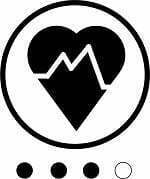
The Alta Via 1 is considered on our own expedition scale as a High Heart Rate Holiday. Whether you are pushing up a mountain or doing other physical activities, this holiday is primarily focused on challenging yourself physically. There are sections that will certainly get your heart rate going and other sections that are quite easy. Balance this with well-maintained trails, excellent accommodation and food as well as luggage transfers and this trek fits perfectly into an active holiday category. You need to be of average to high fitness for this expedition or willing to commit to training to take part. Call us if you are unsure of your fitness level and we talk you through what you need to do to be ready.
Fitness
Hiking the Alta Via 1 is a great way to experience the Italian Dolomites. Groups can travel at their pace and leisure taking frequent breaks set in the beautiful landscape along the way. However, with its daily elevation gain and loss, it is no walk in the park and one should physically prepare for it. The Alta Via 1 is considered a High Heart Rate Holiday.
If you are planning on hiking the Alta Via 1, you must make special efforts to get in good physical condition for the trip. The fitter you are the more enjoyable you will find this expedition.
Every participant should have a health check with a medical physician to ensure that they are in good physical health prior to embarking on their trip. No Roads is not a medical adviser and we take no legal responsibility for medical or other emergencies that may arise on the course of a trek. As the service provider and hosts, we will take all necessary steps needed to evacuate injured or ill clients on the understanding that all costs involved will be paid to us before leaving the country (see Insurance).
To prepare safely and effectively for this trek in the Dolomites you specifically need to train for a period of at least five to six months. We suggest that during your training you should undertake frequent training walks, which you will need to progressively increase in hiking time, distance, and elevation gain.
During your walks, you need to familiarise yourself with walking with a day pack (weight of 5-7 kilos) and your walking poles.
We will share a basic training regime and training walk suggestions in Australia as part of our welcome pack to help build your trekking-specific condition.
Health And Safety
All No Roads Expeditions trekkers need to be in good physical health in order to participate fully in the group travel experience. If in the opinion of our group leader, any traveler is unable to complete the itinerary without undue risk to themselves and/ or the rest of the group, No Roads Expeditions reserves the right to exclude them from all, or part of a trip without refund.
Although there are no specific health requirements for this trip please be aware you need to be in good health to undertake this trip due to the sometimes demanding conditions that exist in these areas. You should consult your doctor if you have any medical conditions to assess your suitability before departure.
Your leader will have a first aid kit for emergencies we recommend that you carry First Aid supplies for common ailments as well as any personal medical requirements. Please be aware that we are in remote areas and away from medical facilities for some time during this trip, and for legal reasons, our leaders are prohibited from administering any type of drug including headache tablets, antibiotics, etc.
We will do everything we can to support guests that have disclosed a medical condition, allergy, or anaphylaxis, by informing all in-country personnel and ensuring reasonable provisions are made. We do, however, suggest and encourage all affected guests in this situation to assist us by reconfirming this information in situations or instances where it may be required to ensure everyone has a safe and enjoyable adventure experience
General Travel Advice
All No Roads staff and teams consider guest safety and wellbeing an absolute priority and always follow the travel advice and guidelines of the World Health Organisation (WHO) and Smartraveller. To further maintain the safety of our travelers, we promote good personal and hand hygiene along with adherence to safe food preparation practices.
Dietary Requirements
We are able to cater to all common special dietary requirements on this trip. The villages along the Alta Via 1 are well known for their excellent and typical cuisine. Each valley provides a different and delicious cuisine. These regional diets include choices of pasta, potatoes, cheeses, cured meats, salads, and fruits. Due to this heavy gluten, cheese, and meat-based diet, the meal choices for special requirements might be limited depending on your requirements.
Please advise us prior to your departure if you have any food allergies we should be aware of.
Note: The No Roads team will do everything it can to support any allergies which might require a special diet, by informing all in-country personnel and ensuring reasonable provisions are made for all meals. We do, however, suggest and encourage all affected guests to assist us by providing this information while traveling, in situations or instances where it may be required to ensure everyone has a safe and enjoyable experience.
If you do have an uncommon dietary requirement please contact our office directly.
Immunization
No further vaccinations are compulsory for entry to the Schengen Zone. However, you should consider MMR (Measles, Mumps and Rubella) and a combination vaccine TDaP (Tetanus, Diphtheria, and Pertussis). We recommend that you ensure your tetanus cover is up to date. Depending on the season and the area of travel you might also consider a flu vaccination and other area-specific recommended vaccinations.
Please consult your doctor on these matters.
MMR (Measles, Mumps, and Rubella) Vaccine– Over the last decade, measles outbreaks have become more common in Europe. Protect yourself with this simple immunization.
TDaP (Tetanus, Diphtheria, and Pertussis) Vaccine– Due in part to immigration patterns, some diseases like diphtheria have resurfaced in Europe.
Flu Vaccine– Europe has been hit quite hard by the flu in recent years. If you plan on traveling during a high flu time (September to April) be sure to have the vaccine before you go.
Plan ahead for getting your vaccinations (seriously, vaccinations are one thing that should NEVER be left until the last minute when TIME can truly be your enemy). Some of them require an initial shot followed by a booster, while some vaccinations should not be given together.
Sustainable Travel
Philosophy
We keep groups small, favour family‑run rifugi and hotels, minimise waste on trail, and respect local customs, land managers, and seasonal conditions. Please pack out what you pack in and use designated facilities at huts.
We Are Here To Help!
We have tried hard to provide you with a greater insight into this expedition but we ain’t perfect!
If you do have further questions please contact our expert team members through one of the below channels.
No Roads Expeditions Support Hub
Australia HQ: +61 (03) 95988581
Email: info@noroads.com.au